Closer relations with New Zealand
- Historical background
- The Boyd Massacre, 1809
- James Busby appointed "Official Resident"
- Trade and Maori
- Treaty of Waitangi
- Administrative control of New Zealand
- Maps and Plans
- Personal stories
- New Zealand Land Wars
- Federation
- Online searches and links
Historical background
New Zealand is an island country in the south-western Pacific Ocean, approximately 1500 km east of Australia across the Tasman Sea. The indigenous population, the Maori, were settled predominantly in the North Island. Among the first Europeans to visit the islands were Abel Tasman in 1642 and James Cook in 1769.
When the Colony of New South Wales was proclaimed in 1788 the boundaries included "all the islands adjacent in the Pacific Ocean within the latitudes of 10°37'S and 43°39"S".[1] This included the North Island and about half of the South Island of New Zealand. When Van Dieman's Land became a separate colony in 1825 the southern border of New South Wales was altered so that only the top half of the North Island was included within New South Wales. Whatever the physical limits of the Colony may have been, there was very little administrative interest in New Zealand.
European visitors and settlement
From the 1790s the first European visitors and settlers started to arrive in New Zealand. The whalers, traders and missionaries settled mainly on the far north coast of the North Island. Some conflict between the Maori and Europeans did arise. In response the British Government named James Busby as Official Resident in 1832. Busby had neither military aid or legal effect to control the ever-growing European population. There was a growing commerce relationship between Sydney and some Maori traders. Samuel Marsden regularly brought Maori chiefs, such as Ruatara (Duaerra), Hongi Hika and Koro Koro, back to Sydney with him.
In 1839 the New Zealand Company announced plans for settlements in several places throughout New Zealand and Captain William Hobson was sent to New Zealand to begin negotiating a treaty with the Maori tribes. Also in 1839, new Letters patent were issued so the borders of New South Wales now included all of New Zealand and the Governor of New South Wales, George Gipps, was appointed as the Governor of New Zealand. Hobson was successful and the Treaty of Waitangi was signed on 6 February 1840 at Waitangi in the Bay of Islands. Copies of the Treaty were then sent around the islands to be signed by other Maori chiefs. New Zealand was administered as part of New South Wales until 3 May 1841 when it became a colony in its own right.
New South Wales and New Zealand continued to have close ties for many years to come. Volunteers went to fight in the New Zealand Lands wars in 1863 and Sydney made two gunboats for the war. New Zealand participated in the Federation talks in the 1890s but decided against becoming a member of the Commonwealth of Australia, instead progressing from a colony to a dominion in 1907.
The Boyd Massacre, 1809
In October 1809 the Boyd sailed from Sydney to Whangaroa Harbour on the east coast of the Northland Peninsula of New Zealand to pick up some kauri spars. The Boyd was captained by John Thompson and had over 70 people on board, including Te Ara (also known as George), the son of Piopio, a chief of the Kaeo tribe in Whangaroa, who was working his passage home. There was a dispute on board which ended with Te Ara being flogged. Te Ara complained to his father once he reached home and wanted utu, or revenge, on the Boyd. A few days later the Boyd was attacked and almost all of the passengers and crew were killed and some may have been eaten. The Boyd was ransacked and then a barrel of gunpowder was accidently ignited, destroying the ship. A visiting chief, Te Pahi, arrived the next morining and unsuccessfully attempted to save the remaining passengers and crew. Captain Alexander Berry undertook a rescue mission and saved four people, Ann Morley and her baby, Thomas Davis, an apprentice and two-year old Betsy Broughton. In March a revenge attack undertaken by a group of whalers mistakenly attacked Chief Te Pahi's pa in the Bay of Islands, injuring Te Pahi and killing over 60 Maori.
See Colonial Secretary for more details on:
James Busby appointed "Official Resident"
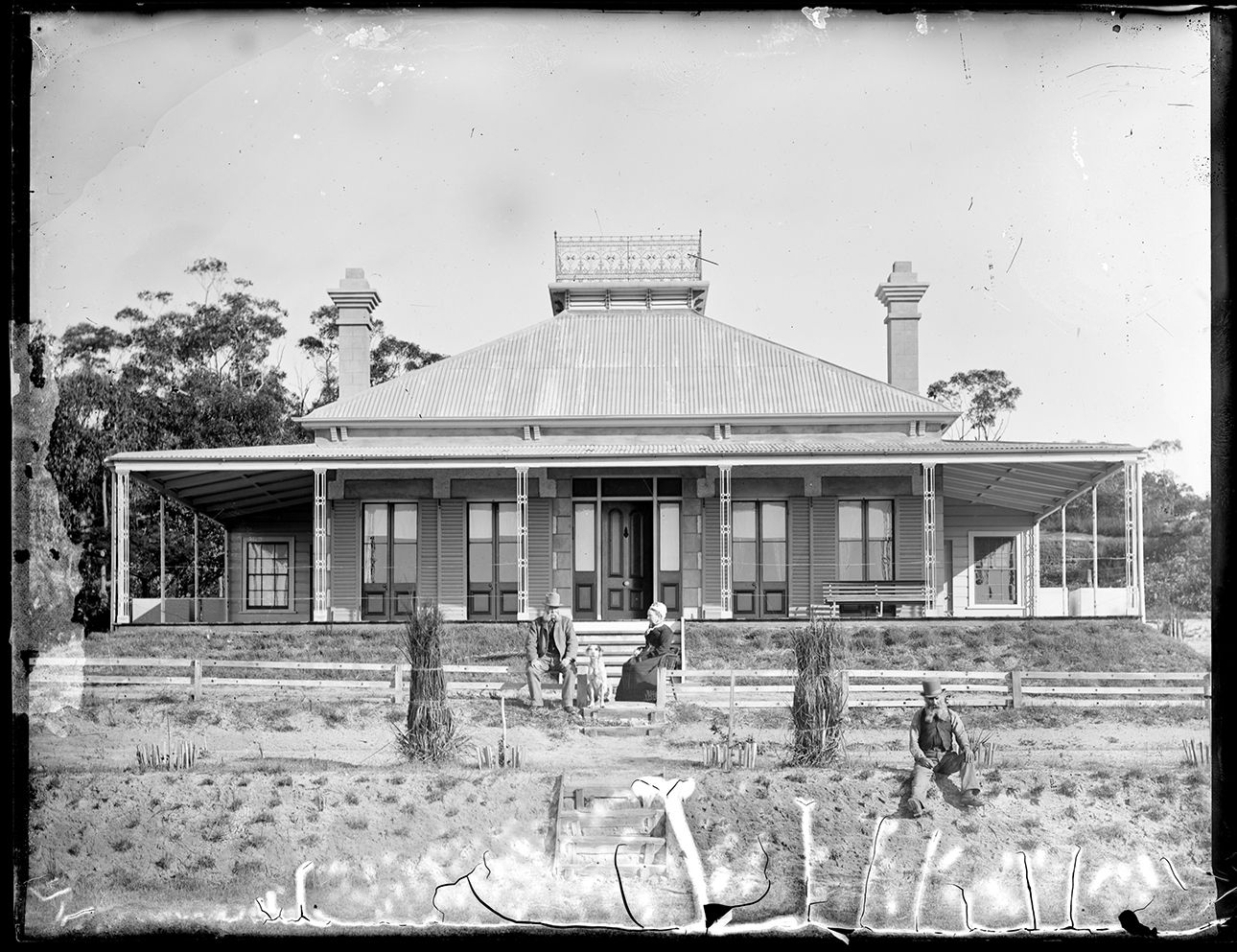
James Busby was appointed as the Official Resident, representing the British Government in March 1832. He arrived in the Bay of Islands in May the following year and established his residence at Waitangi. Busby's position was an attempt to protect the burgeoning British trade and he was to act as a liaison between European (Pakeha) settlers and Maori tribes. Busby was ineffectual as he had no legal or military authority and very little money to pay basic expenses (which were to be paid by the New South Wales government). Many of the copies of Busby's letters that we hold cover such things as transporting his house on the Imogene, runaways, land grants, expenses and dealing with legal issues resulting from deaths, stealing, and assaults. Busby was replaced in 1838 by Captain William Hobson who held the position of the British Consul. Busby remained in the Bay of Islands and helped Hobson to draft the Treaty of Waitangi.
Trade and Maori
Once European and American trading and whaling vessels started visiting New Zealand regularly, Maori also started to venture beyond their traditional homeland to see the world. Maori regularly visited Sydney from 1795 onwards. They wanted to trade food and goods for highly desirable items such as knives and muskets. In 1806, Moehanga became the first Maori to visit England and on his way home he stopped in Sydney to purchase muskets.[2] There is even a painting by Major James Taylor showing several Maori chiefs in cloaks in front of a villa with Sydney in the background painted in about 1821 (see NLA: NK 259/B). Some Maori also worked their passage and ended up staying in Sydney where they could be found working on the docks.
Records in our collection
The Index to the Colonial Secretary's Papers has many references to flax, hemp, timber and other trade with New Zealand. There are also regular references to local Maori being carried off or mistreated under New Zealand and Missionaries.
Several missionaries are also listed including:
Some Maori Chiefs are also mentioned:
Treaty of Waitangi
Captain William Hobson arrived in Sydney en route to New Zealand and was sworn in as Lieutenant Governor of New Zealand on 14 January 1840 before continuing on to the Bay of Islands, where he arrived on 29 January 1840. He immediatley undertook preparations for establishing a Treaty with the Maori tribes and on 6 February 1840 the Treaty of Waitangi was signed at Waitangi.
On 28 April Major Thomas Bunbury left the Bay of Islands on the HMS Herald to collect signatures from the Maori tribes in the South Island. Bunbury landed at the Akaroa Peninsula on 28 May before heading down to Stewart Island, Ruapuke Island, Otago Habour, Cloudy Bay and then back to the Bay of Islands in early July.
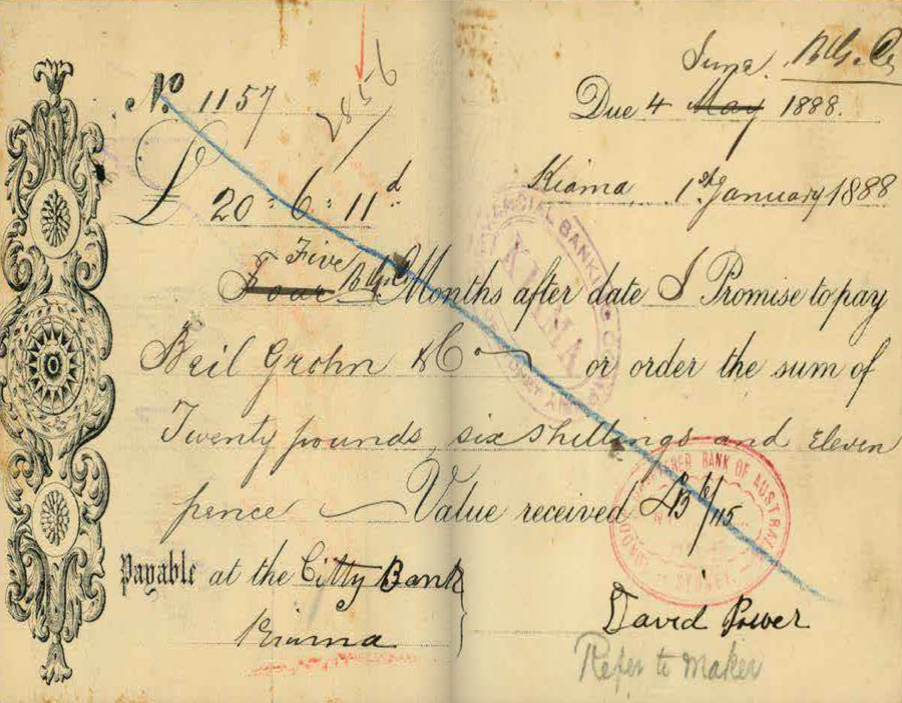
The above document is a Statement of charges that Bunbury accumulated on this voyage for himself, his interpretor, Edward Williams (son of Henry Williams), and his secretary, Mr W Stewart. Captain Joseph Nias is also mentioned on the first page. The voyage of the HMS Herald was funded by the New South Wales Treasury which initially paid out £147, which turned put to be an overpayment of £36.
Administrative control of New Zealand
The New South Wales Treasury seems to have had the unenviable position of supervising and paying for much of the costs of establishing British Government in New Zealand. There are many references in the Colonial Secretary's Papers for the period of 1840-41 that provide an idea of what help was required in regard to personnel and goods. A few of these requests are represented in the images above. There were requests for engineers, mechanics, surveyors, police and magistrates while supplies such as medicine, furniture, building materials, boats and also basic items like shovels, brooms, pots, pans and candles also had to shipped to New Zealand.
Convicts
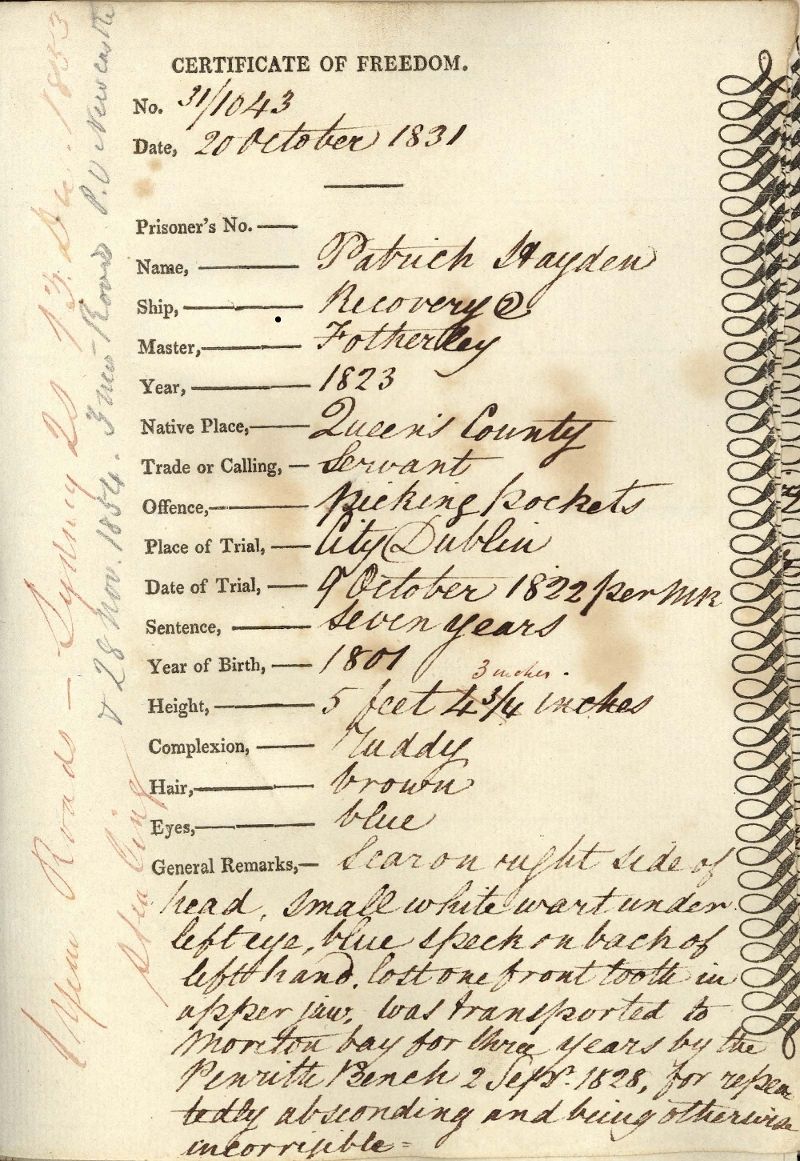
A number of convicts eventually ended up in New Zealand. Some were trying to escape the convict regime before their sentence had expired and got work on ships or whale boats heading further south. If these convicts were caught in NZ they were shipped back to NSW for further punishment. Some convicts though, went to New Zealand on legitimate work. William Spikeman (or Spekeman) per Canada, was granted a Ticket of Leave for working with the Church Missionary Society in NZ while Abraham Leach was granted several Tickets of Exemption from Government Labour for his services collecting plant seeds and samples in New Zealand as part of an expedition for the Botanical Gardens on board the HMS Satellite.
Maps and Plans
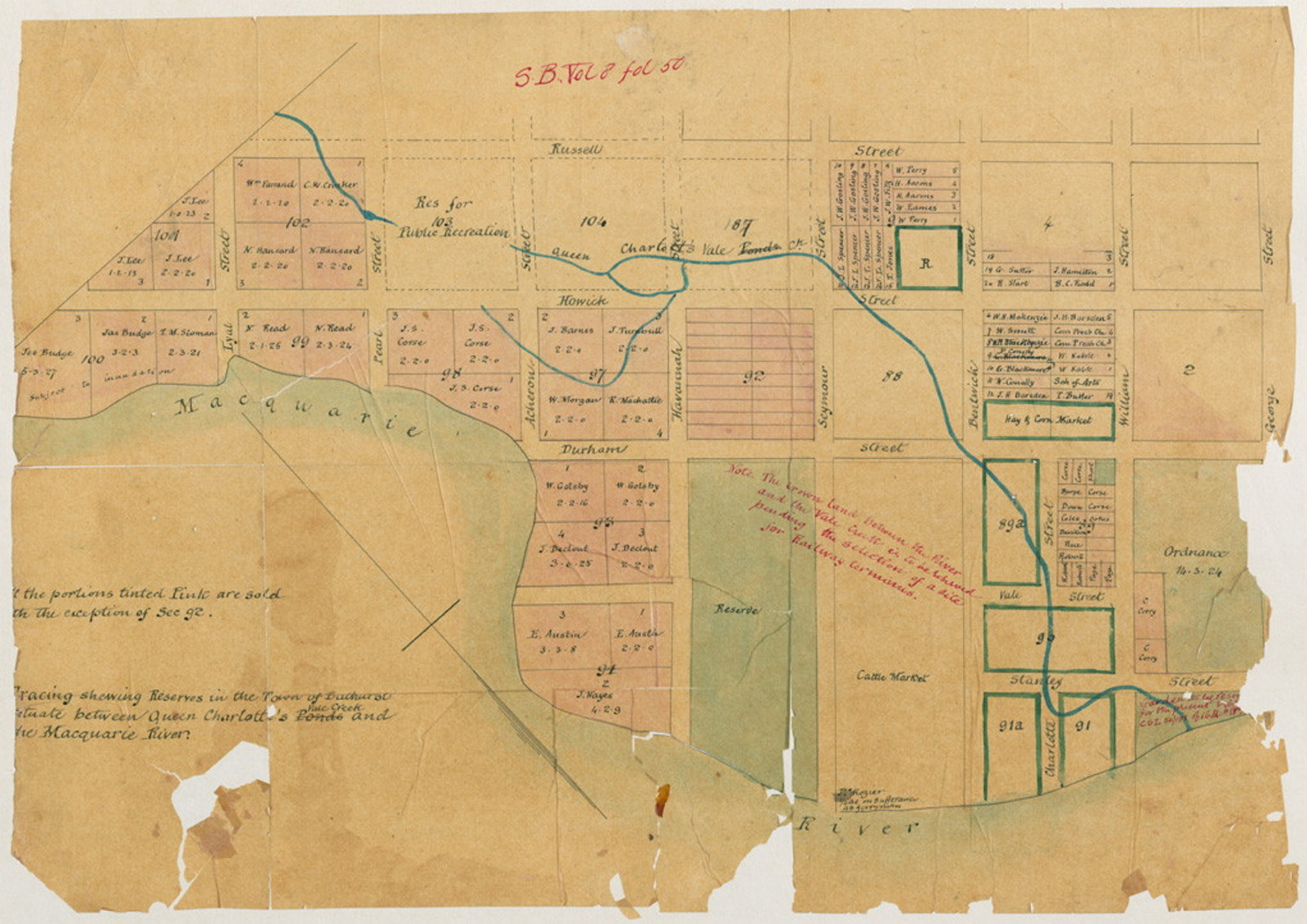
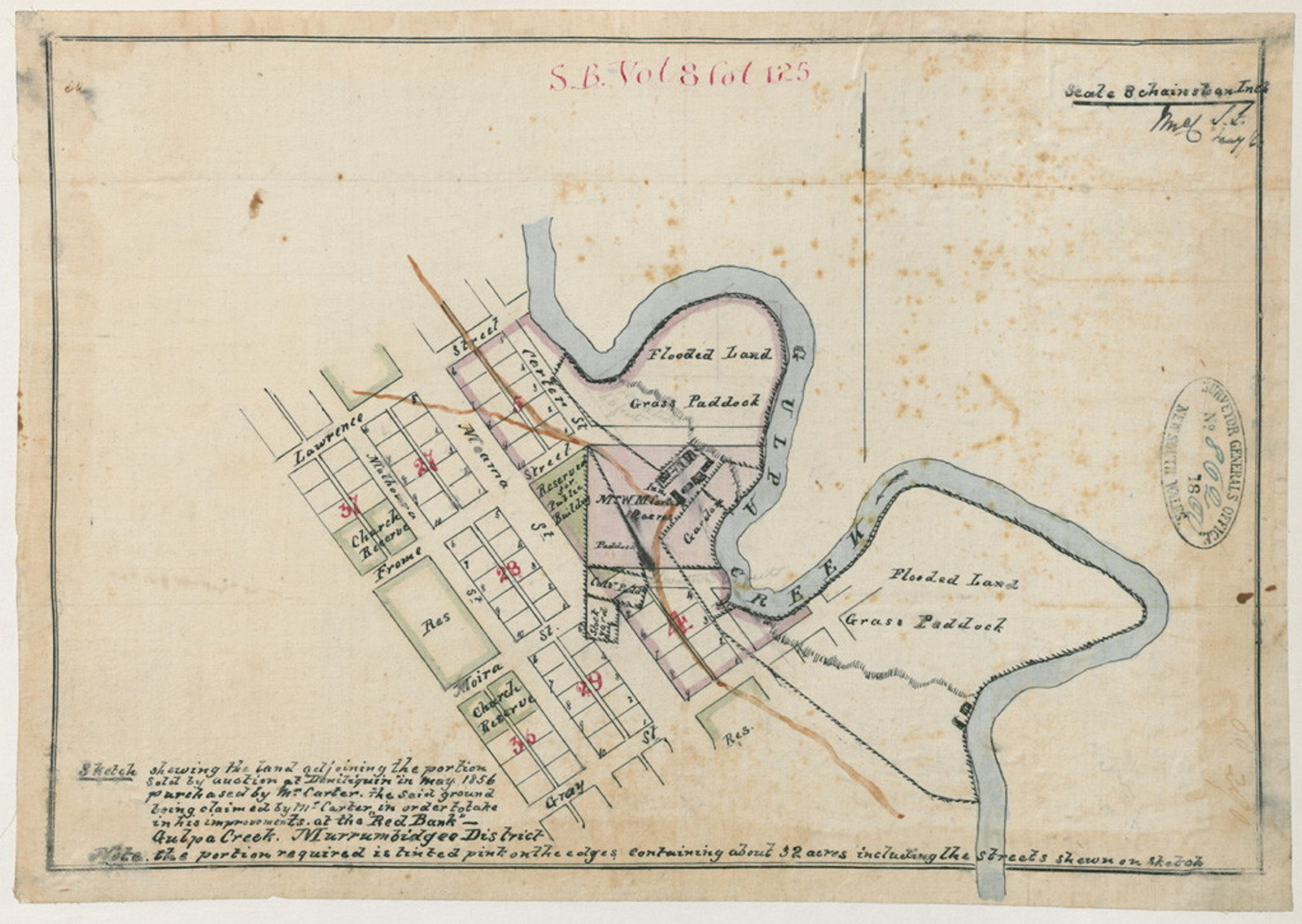
A selection of maps that relate to various New Zealand locations. Search for similar Maps and Plans online.
Personal stories
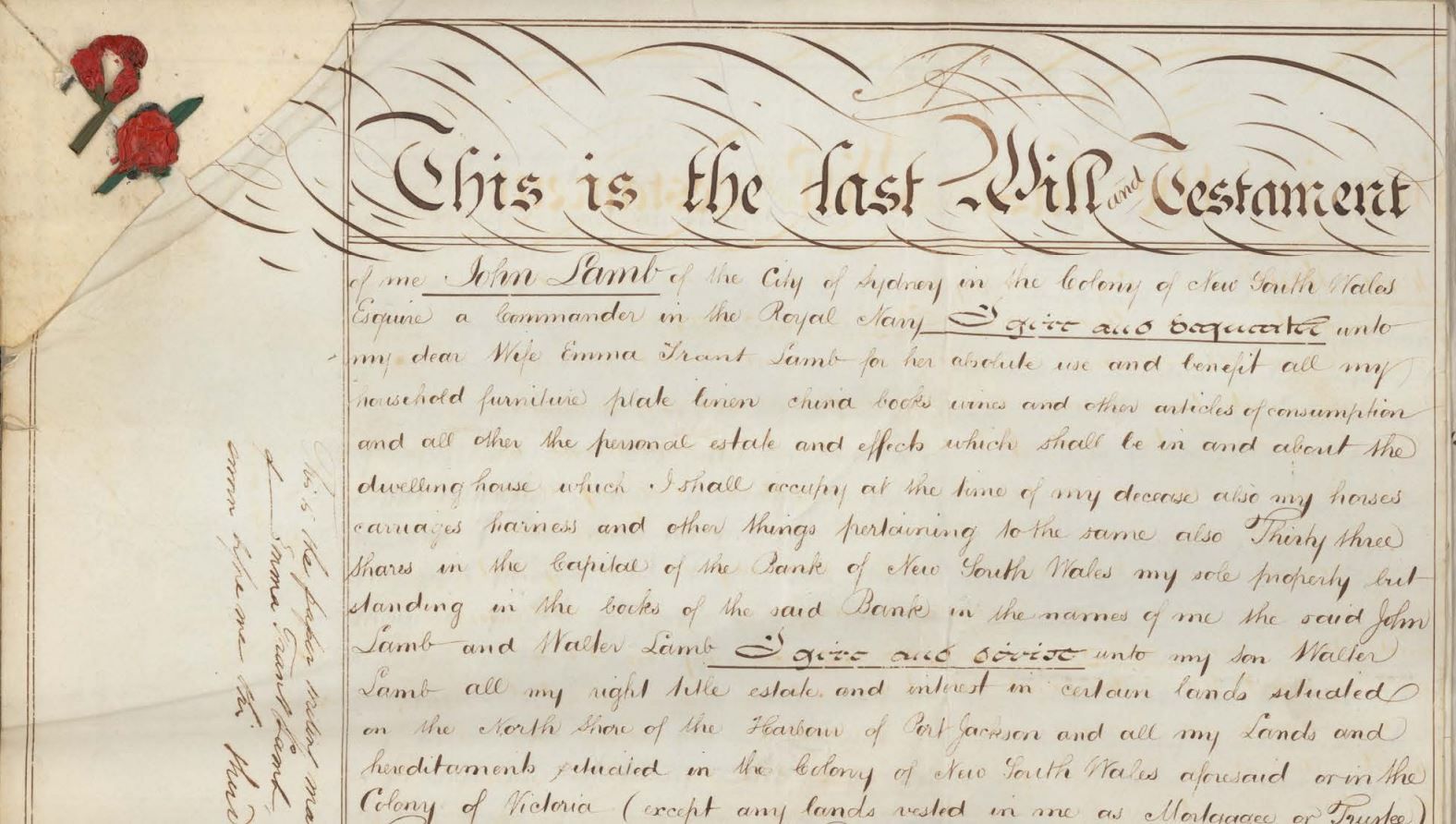
Finding personal details of individual people can be difficult in a government archives. Some records, such as Deceased Estates, Probates, Intestate Estates and Insolvency files can contain useful details that provide a tantalising snapshot of how people lived.
Alexander and Thomas Fraser were twins from Scotland who came out to Sydney, New South Wales in 1832 before continuing onto New Zealand in the late 1830s. They settled on Mana Island in the Cooks Strait and began a whaling business. The brothers lost money in their whaling business due to the loss of a vessel and low prices for whale oil and bone in the early 1840s. In 1840 they lost £2337, in 1841 £284 and in 1842 £817. Although whaling provided a setback for the brothers they eventually owned large runholdings in Wellington and Otago. Both brothers never married and Alexander died in Wellington in 1868 and Thomas died in 1871 at Rangitikei.
New Zealand Land Wars
The New Zealand Land Wars of the 1860s was the first conflict in which large numbers of Australian born soldiers fought. In July 1863 British troops in New Zealand began an invasion of the Waikato region. Later in the same year the New Zealand Government made a request to the Australian Colonies for more troops and offered settlement on the confiscated land for the volunteers. In total, about 2500 Australians volunteered but only about 460 enrolled in Sydney (the majority came from Victoria).[3] Most of the New South Wales volunteers joined the 2nd and 4th Waikato Regiments and were involved in a number of minor skirmishes. It is believed fewer than 20 Australians were killed. The Waikato Regiments disbanded in 1867 and a number of the New South Wales volunteers stayed on in Alexandria (renamed Pirongia) and Hamilton. New South Wales also provided arms, ammunition, draught animals and supplies of food. Two iron-gunboats were also made for the New Zealand Government at PN Russell's ironworks in Sydney.
Edward Pearson
One of the more well-known New South Wales volunteers was Edward Pearson. He volunteered in Sydney on 16 February 1864 and served in the 4th Waikato Regiment (#376) before settling on a land grant in Hamilton. Edward created a sandstone soap, which later formed the basis of the Pearson Soap Company that operated in Sydney from the 1890s onwards.
Australian Federation
The growth of nationalism in the 1880s coincides with the move towards a united Commonwealth of Australia. The 1890 Conference and the National Australasian Convention in 1891 were both attended by representatives of the New Zealand Government but in the end, New Zealand opted out of joining the Federation. Instead, New Zealand became a separate 'dominion' in 1907 with equal status with Australia before going onto complete self-government in 1907.
Online searches
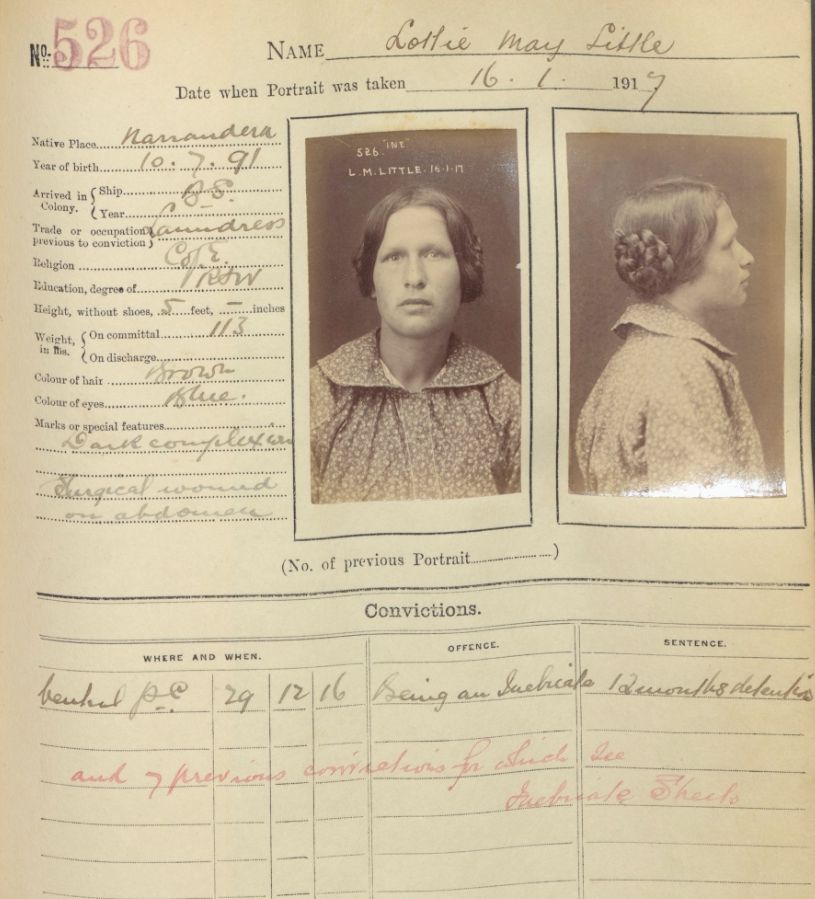
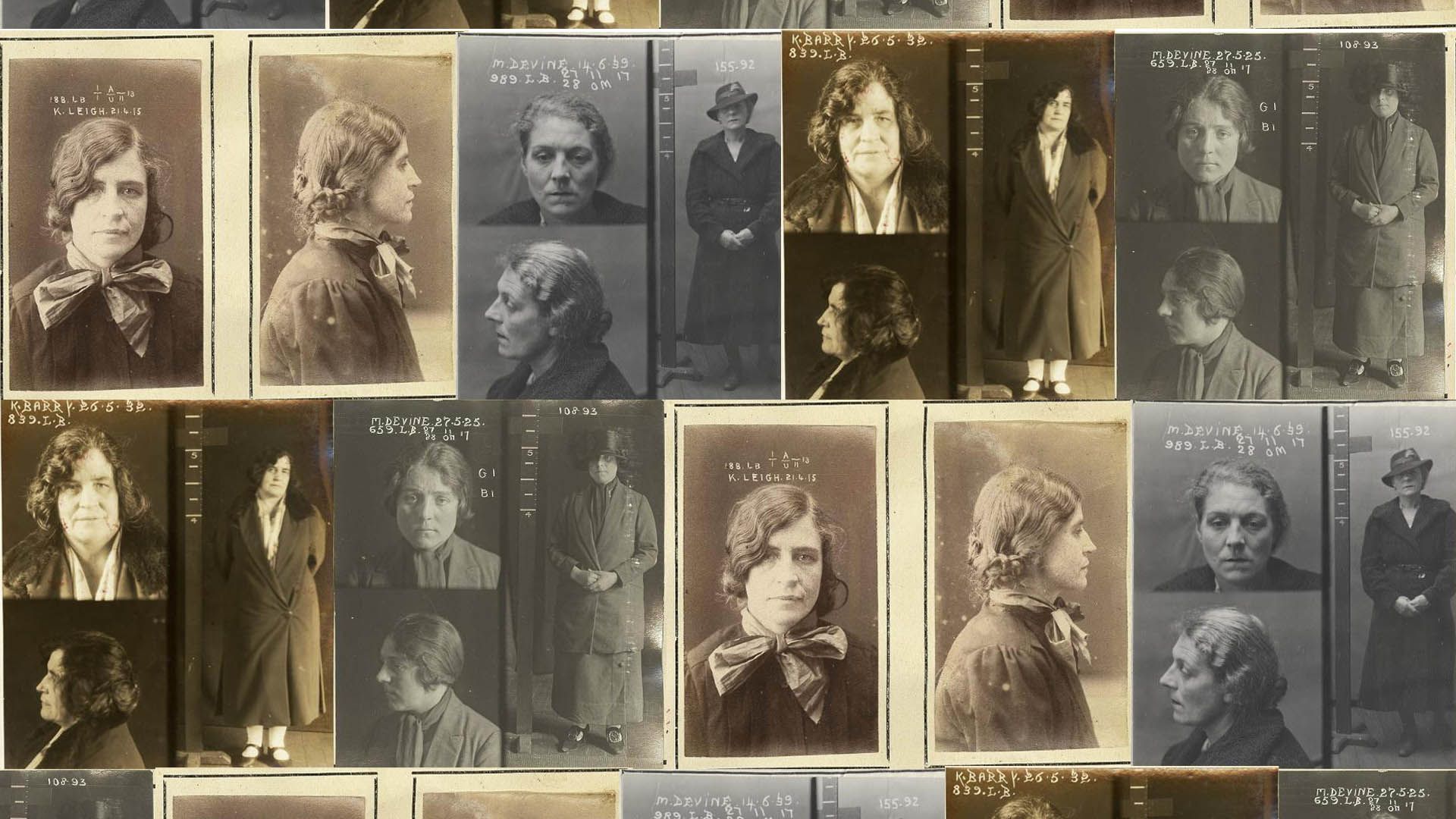
The flow of people between New South Wales and New Zealand has been occurring for many years. Some of our online databases can be searched by locality: see Bankruptcy, Deceased estate, Insolvency, Intestate, Gaol Photographs and Registers of Police Online Indexes and insert New Zealand in locality, district or native place field.
Links
Archives New Zealand: Te Rua Mahara o te Kawanatanga
Papers Past - searchable online local New Zealand newspapers
Te Ara Encyclopedia of New Zealand
Endnotes
[1] Archives Investigator: New South Wales Organisation detail
[2] Te Ara Encyclopedia of New Zeland: Maori Overseas
[3] Australians in the Waikato War 1863-64, Leonard Barton, p52